


There's a particular kind of clarity that emerges when you stop looking at what's new or different and start paying attention to what people consistently return to. Not what's trending. Not what's loudest. But what quietly, steadily, keeps being chosen.
Monteverde is one of those pieces.

It's been part of the collection for years now, and it continues to be one of the works people come back to again and again. Not because it's being actively promoted or positioned as a bestseller, but because something about it resonates widely and deeply. The soft greens. The atmospheric quality. The way it brings a sense of calm without demanding attention.
I've noticed this pattern across several pieces, actually. Certain works sell without any force behind them. They don't need urgency or scarcity tactics. They simply exist, and people find them, consider them, and eventually bring them home. And when they do, the feedback I receive isn't about how unique or statement-making the piece is. It's about how it completes a space. How it opens up a room. How it feels like exactly what they'd been looking for, even if they couldn't articulate it beforehand.

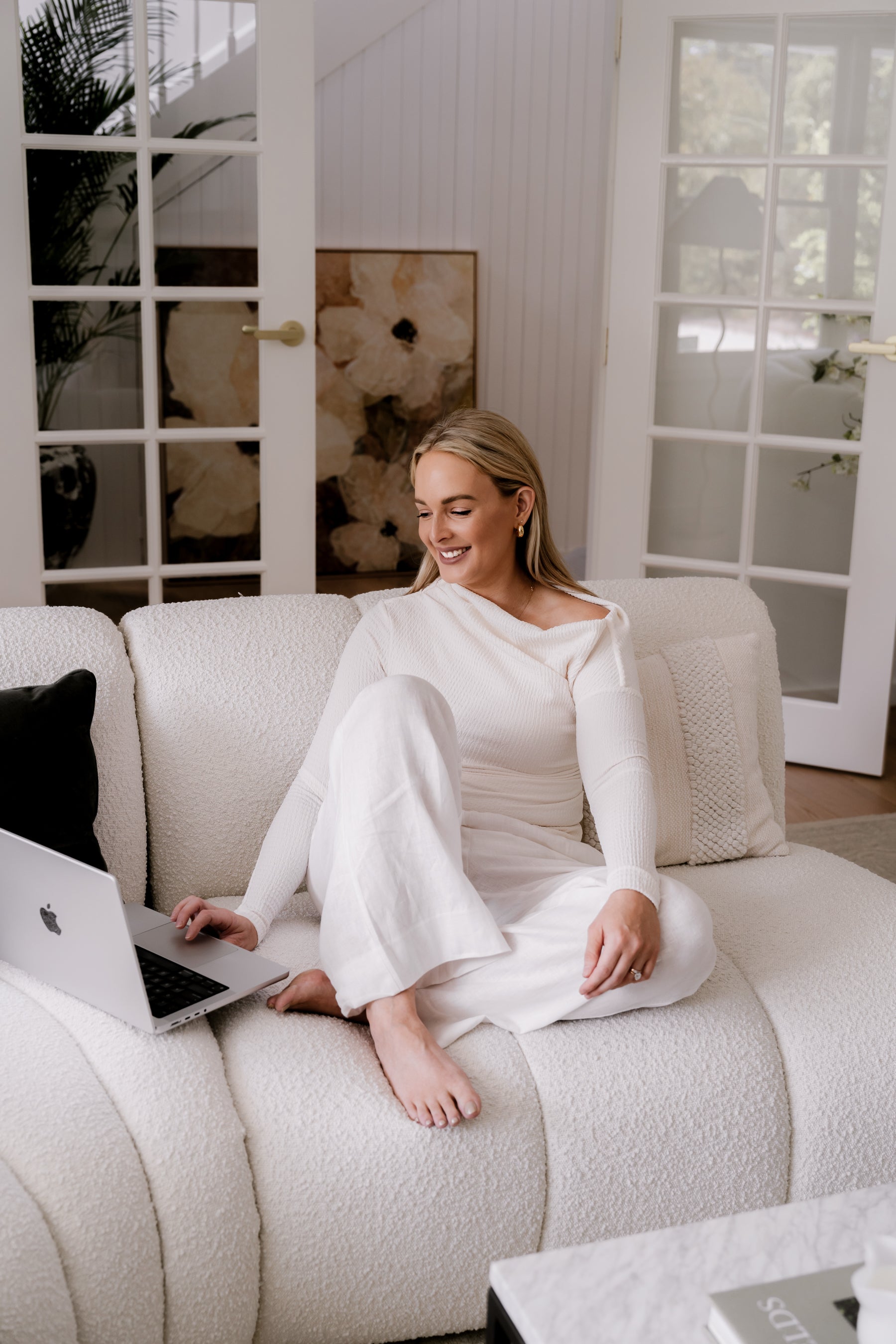
"Monteverde" in Portrait orientation
"Totally changed the room," someone wrote about Monteverde recently. Another said their piece was "the first thing I see in the morning and it puts a smile on my face." These aren't descriptions of art that shocks or disrupts. They're reflections of art that settles in and becomes part of the daily rhythm of a home.
I think there's something reassuring about patterns like this. When multiple people, with different homes and different aesthetics, keep gravitating toward the same work, it tells you something. Not that the piece is objectively the best or the most important, but that it speaks to something consistent. A need for calm. A desire for atmosphere. A pull toward works that feel grounding rather than performative.
One review that stayed with me said, "Makes the room feel complete." Not transformed. Not elevated. Complete. As if the piece wasn't adding something extra, but filling in what was quietly missing all along.
And I think that's what people are actually looking for when they're circling a decision but hesitating to commit. They're not searching for something that will shock their guests or serve as a conversation starter. They're looking for the piece that will make them feel settled. The one that completes the room in a way they can't quite explain but will absolutely recognise once it's there.
Repeat choices reveal this. When Monteverde keeps selling, or when the Magnetic Island set keeps being chosen for its calming effect, or when someone describes Eos Terra as "exactly what we've been looking for," it's not about uniqueness. It's about resonance. And resonance doesn't need to be rare to be valuable.

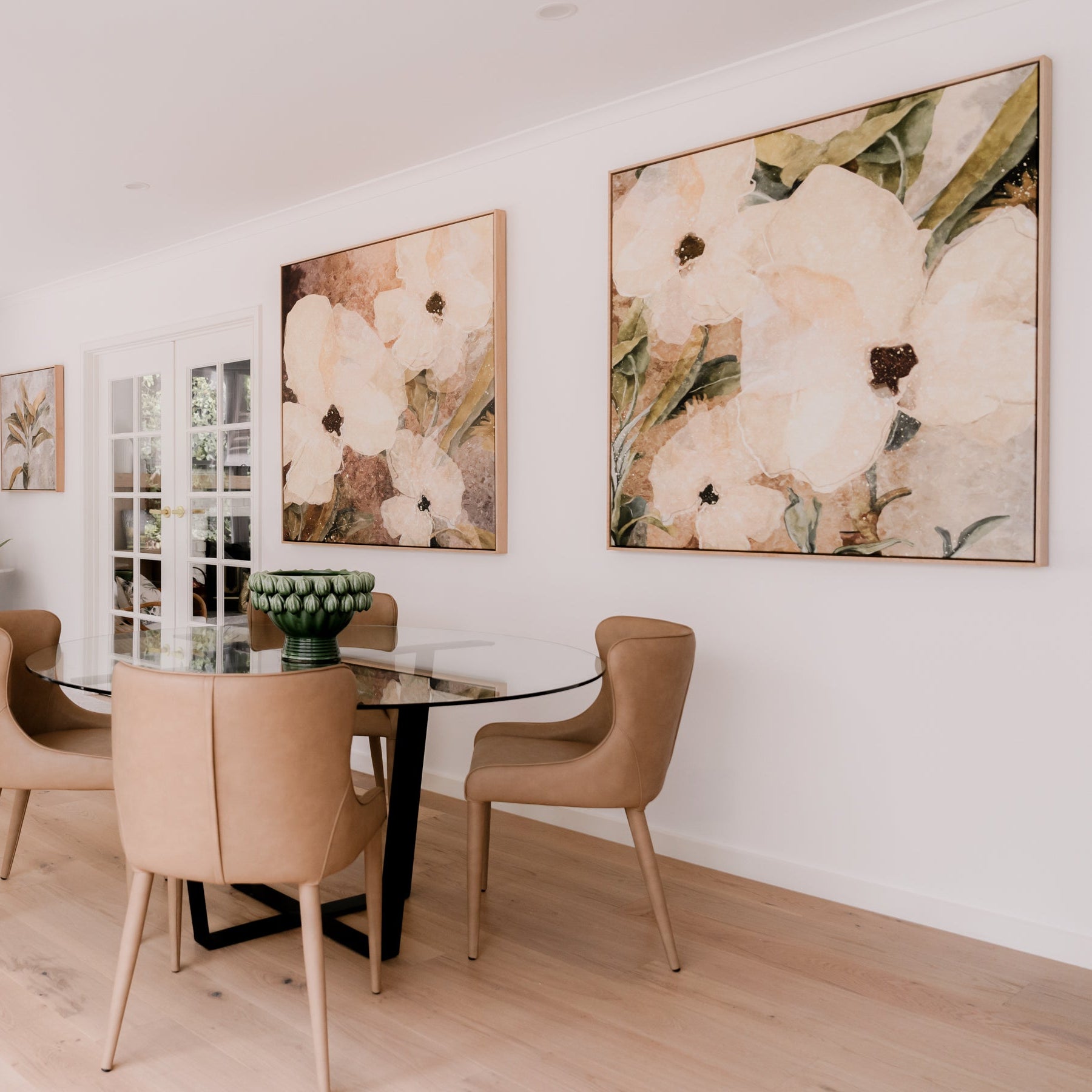
The "Magnetic Island" set
I've also noticed that the pieces people choose most often are the ones that work quietly rather than loudly. They anchor a space without overwhelming it. They bring warmth without demanding a specific style or palette. They're forgiving in the way they adapt to different rooms, different light, different contexts. And perhaps that's exactly why they keep being chosen.
If you're waiting for absolute certainty before making a decision, or if you're worried that choosing something others have also chosen somehow diminishes its value, I'd invite you to reconsider. The pieces that resonate widely do so for a reason. They hold something emotionally consistent. They offer a feeling that many people are quietly seeking but don't always know how to name.
Patterns aren't trends. Trends chase novelty. Patterns reveal what actually works, what actually matters, what people actually live with and love over time. And there's a deep confidence that comes from trusting that.
Monteverde will keep being chosen, I imagine. Not because it's being pushed, but because it offers something people recognise they need once they see it. Calm. Atmosphere. Completion. The feeling that yes, this is it.
That's not a lack of uniqueness. That's clarity.





Leave a comment